
Civil Procedure Code
The Civil Procedure Code (CPC) is a set of laws that govern proceedings in civil law cases. These laws set out the procedures for filing and prosecuting civil cases in the courts. The CPC also provides guidance on the applicable principles and rules of evidence, as well as the rules of court procedure. The CPC is applicable to most civil cases and provides the framework for the legal system in India. The code defines what is a civil cause of action, and provides guidance on how to proceed with a civil suit. It also deals with the procedures for execution of decrees, appeals, and revisions. The code contains provisions for the enforcement of judgments and awards. It also contains provisions for the formation of courts, the appointment of judges, and the administration of justice.
Recent Posts

Written Statement
Introduction: Within the intricate landscape of civil litigation, the Written Statement emerges as a key player, guided by the stipulations of the Civil Procedure Code. This blog endeavors to unravel the importance, prerequisites, and procedural intricacies...

SECTION 15 – 20 (JURISDICTION)
The Civil Procedure Code (CPC) is an essential legal framework that governs civil lawsuits in many countries. Sections 15 to 20 of the CPC outline important provisions related to jurisdiction. In this blog post, we will explore these sections and their significance. ...
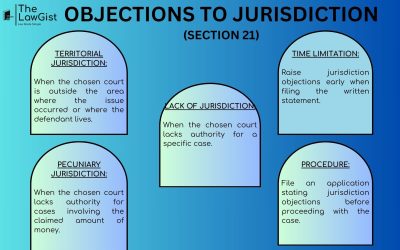
OBJECTIONS OF JURISDICTION ( SECTION 21 )
Introduction: Jurisdiction plays a crucial role in any legal proceeding. It determines which court has the authority to hear and decide a particular case. In India, the Civil Procedure Code (CPC) provides guidelines on objections to jurisdiction under Section 21. ...
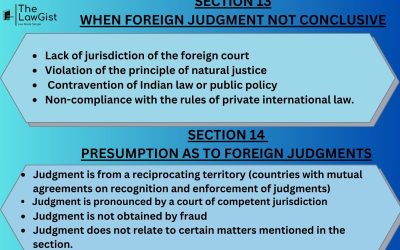
SECTION 13-14
Introduction: Foreign judgments play a crucial role in the legal system, as they help recognize and enforce legal decisions made in other countries. However, not all foreign judgments are considered conclusive or automatically enforceable. Section 13 and Section 14...

INSTITUTION OF SUITS
Section 26: Institution of Suits: Section 26 of the CPC lays down the requirements for the institution of suits. It states that every suit shall be instituted by presenting a plaint to the court. The plaint should contain the necessary facts, grounds, and reliefs...

JURISDICTION OF CIVIL COURTS (SECTION 9)
Introduction: In the vast realm of civil litigation, Section 9 of the Civil Procedure Code (CPC) holds significant importance. This section deals with the jurisdiction of civil courts in India. Concept of Jurisdiction: Jurisdiction refers to the authority of a...