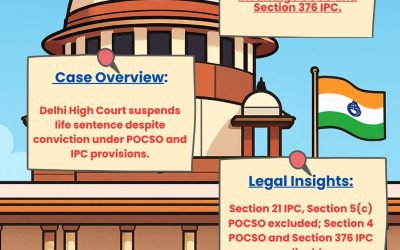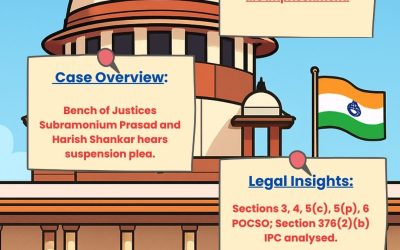
Supreme Court rules Rajasthan violated its policy by naming villages after individuals, reaffirming Article 14 and binding nature of executive circulars.
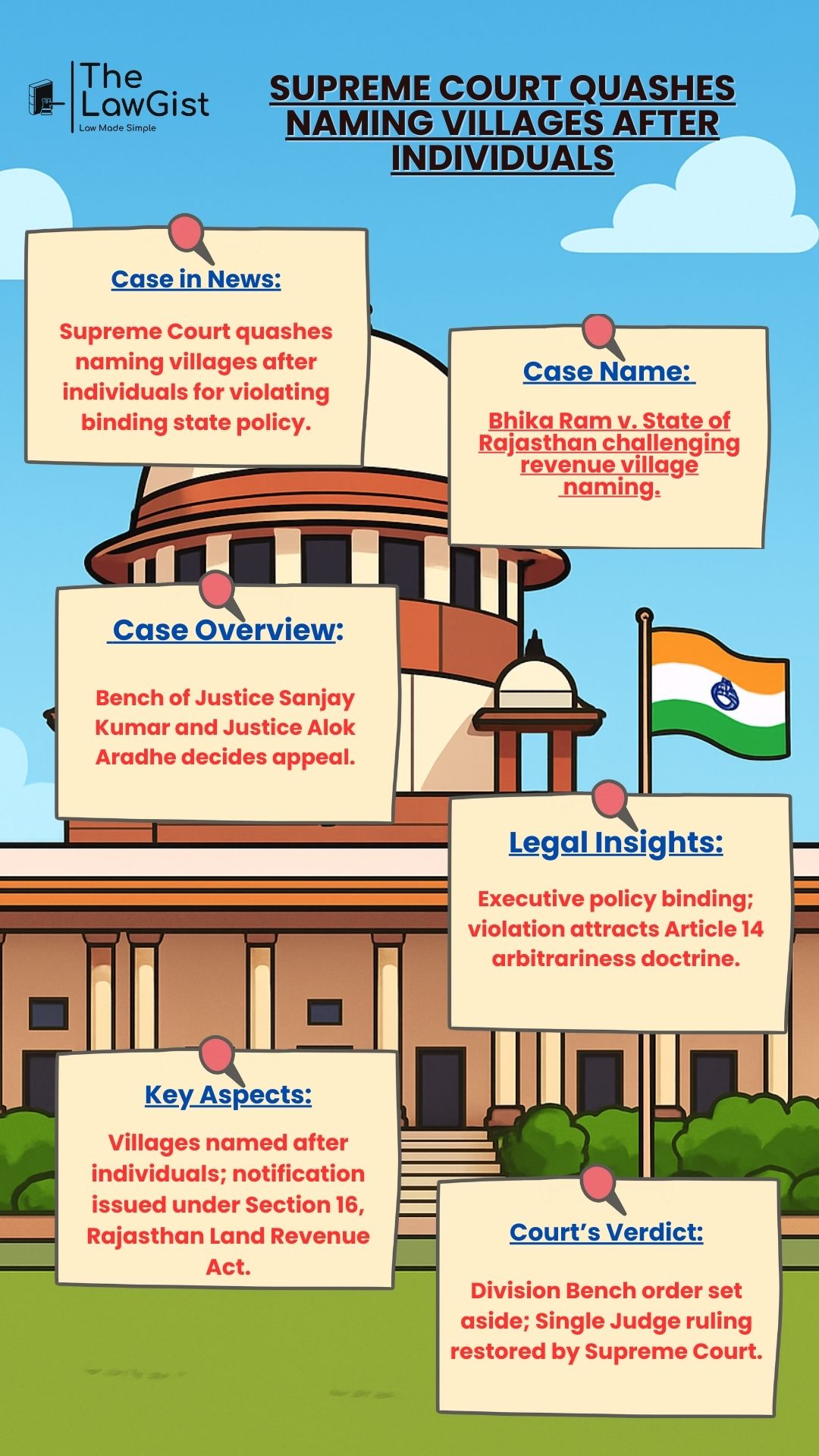
Case in NewsSupreme Court quashes naming villages after individuals, holding Rajasthan Government violated its binding policy . |
Discover powerful Latin Maxims and simplify complex legal terms in seconds.
Case Overview
Case Name: Bhika Ram vs. State of Rajasthan
In Bhika Ram v. State of Rajasthan, the Supreme Court examined the legality of naming newly created revenue villages after private individuals in Rajasthan . The matter was decided by a Bench comprising Justice Sanjay Kumar and Justice Alok Aradhe . The appeal arose from Barmer district, where villagers challenged a 2020 notification issued under Section 16 of the Rajasthan Land Revenue Act, 1956, creating revenue villages named “Amargarh” and “Sagatsar”. The appellants argued that the naming violated a 2009 State Government circular prohibiting naming villages after individuals, religion, caste or sub-caste .
Step into the world of justice with Courtroom Chronicles
Key Aspects
The dispute revolved around whether the State could depart from its own executive policy while exercising statutory powers . The facts and issues reveal the tension between administrative action and constitutional equality .
- Rajasthan Government issued a 2020 notification creating new revenue villages .
- Villages Amargarh and Sagatsar were carved out of village Sohda, Barmer .
- Objections arose alleging village names derived from individuals’ names .
- Single Judge quashed naming for violating 2009 government circular .
- Division Bench reversed the decision, prompting appeal to Supreme Court .
Legal Insights
The Court analysed the binding nature of executive policies and constitutional safeguards against arbitrariness . The legal framework reinforced limits on State discretion .
- Section 16, Rajastan Land Revenue Act, 1956 governs creation of revenue villages .
- 2009 State circular bars naming villages after individuals .
- Article 14, Constitution of India prohibits arbitrary State action .
- Executive policies bind the Government unless lawfully amended or withdrawn .
Court’s Verdict
The Supreme Court allowed the appeal, quashed the Division Bench judgment dated August 5, 2025, and restored the Single Judge’s order . It held that naming villages after individuals violated the binding 2009 policy and was arbitrary under Article 14 . The notification creating Amargarh and Sagatsar was set aside, with liberty granted to rename the villages lawfully .
Source – Supreme Court of India
Read also – Constitution of India
The LawGist ensures exam success with quality notes—TPL, Current Affairs, Recent Judgments, and more. Backed by trusted resources and videos, The LawGist is every aspirant’s first choice.