
Civil Procedure Code
The Civil Procedure Code (CPC) is a set of laws that govern proceedings in civil law cases. These laws set out the procedures for filing and prosecuting civil cases in the courts. The CPC also provides guidance on the applicable principles and rules of evidence, as well as the rules of court procedure. The CPC is applicable to most civil cases and provides the framework for the legal system in India. The code defines what is a civil cause of action, and provides guidance on how to proceed with a civil suit. It also deals with the procedures for execution of decrees, appeals, and revisions. The code contains provisions for the enforcement of judgments and awards. It also contains provisions for the formation of courts, the appointment of judges, and the administration of justice.
Recent Posts

MESNE PROFITS
Introduction: In the realm of civil law, one often encounters various legal terms that may seem complex at first. One such term is "mesne profits." It plays a crucial role in determining compensation and restoring justice in cases related to wrongful possession or...
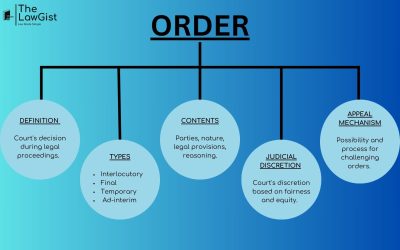
ORDER
INTRODUCTION : In the realm of civil litigation, the Civil Procedure Code plays a crucial role in ensuring the smooth functioning of legal proceedings. One of the key aspects governed by the code is the issuance of orders. These orders serve as important directives...

DECREE
INTRODUCTION : In civil litigation, the term "decree" holds significant importance. It represents the final determination of the rights and obligations of the parties involved in a lawsuit. Section 2(2) of the Civil Procedure Code defines decree and outlines its...