
Bharatiya Nagarik Suraksha Sanhita (CrPC)
The Criminal Procedure Code (CrPC) 1973, has been replaced by the Bharatiya Nagarik Suraksha Sanhita, heralding a new era in the administration of criminal justice in India. Enacted on December 25, 2023, the Bharatiya Nagarik Suraksha Sanhita serves as the procedural law governing criminal proceedings, aimed at enhancing efficiency, transparency, and fairness in the justice system. Like its predecessor, it delineates the processes followed by law enforcement agencies, courts, and stakeholders during investigation, trial, and sentencing phases. With its comprehensive provisions, the Bharatiya Nagarik Suraksha Sanhita ensures the protection of rights and interests of all parties involved in criminal cases. Enforced from July 1, 2024, it reflects India’s commitment to evolving legal frameworks that uphold the principles of justice and safeguard the rights of its citizens.
Recent Posts

DECODING THE BNSS
Introduction: The foundation of Indian criminal procedural law was laid by a number of important colonial statutes, such as the Indian Evidence Act (1872), the Indian Penal Code (1860), and the Police Act (1861). These rules were developed with the original intention...

INHERENT POWER OF HIGH COURT (SECTION 482)
INTRODUCTION Justice, fairness, and equality stand as the guiding pillars of Indian law, with the Code of Criminal Procedure (CrPC) serving as a crucial instrument in regulating the nation's criminal justice system. Section 482, situated within the 37th Chapter of the...

LIMITATIONS FOR TAKING COGNIZANCE OF OFFENSES (SECTIONS 467-473)
INTRODUCTION Criminal law, encompassing procedural and substantive branches, plays a vital role in maintaining societal order. The procedural aspect, outlined in the Code of Criminal Procedure, ensures the effective implementation of substantive criminal law. This...
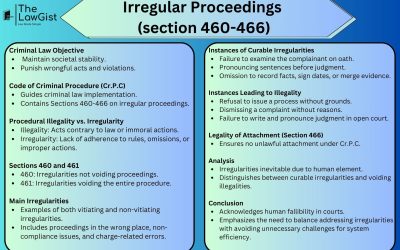
IRREGULAR PROCEEDINGS (SECTION 460-466)
INTRODUCTION The primary objective of criminal law is to maintain societal stability by punishing those guilty of wrongful acts and violations of prohibited conduct, ultimately seeking to remedy their actions. While criminal law aims to protect the interests of...

DISPOSAL OF PROPERTY (SECTIONS 451-459)
INTRODUCTION Exploring the intricate realm of disposal of property under the Criminal Procedure Code (CrPC) unveils a comprehensive legal framework in Sections 451-459. This article endeavors to demystify the nuances of property disposal, encompassing aspects from...
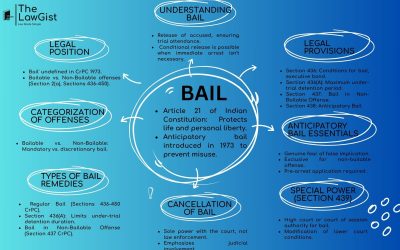
BAIL (SECTION 436-439)
INTRODUCTION Article 21 of the Indian Constitution is a cornerstone, guaranteeing the protection of life and personal liberty to all citizens. This fundamental right, essential for living with human dignity, grants individuals the right to seek bail when apprehended...